

The story of Calabash, North Carolina and its Calabash-style seafood is a legend that extends beyond the borders of NC’s Brunswick Islands. It’s the tale of a small fishing village built on the banks of a river, of siblings that created a seafood dynasty, and the rise of a place that became known as the “Seafood Capital of the World.”
For more stories from NC’s Brunswick Islands, make sure to sign up for our monthly newsletter.
The Origin of Calabash, North Carolina
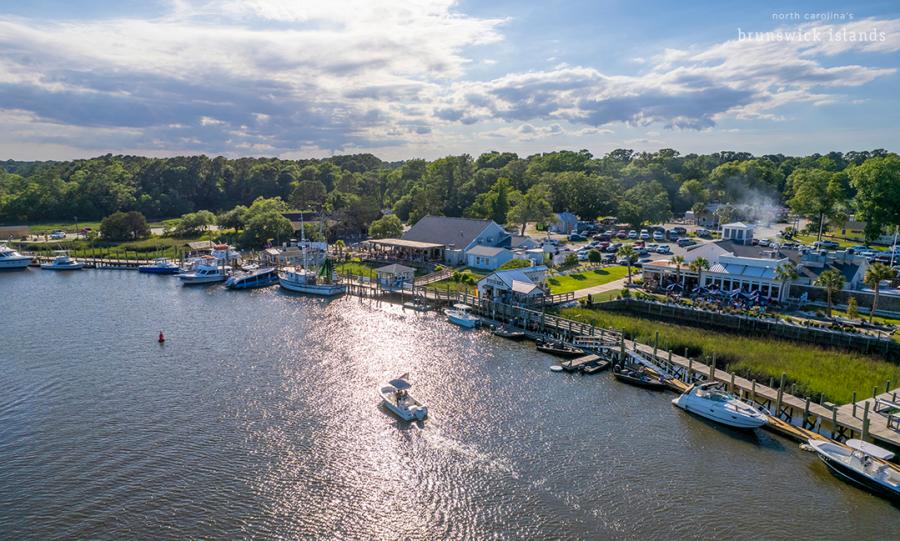
The story of Calabash, North Carolina begins under a different name and state. Before the boundary line that divided North and South Carolina was determined in 1735, present-day Calabash was considered a part of South Carolina. The small fishing village was recognized under a different name, Pea Landing, for the industry of growing and shipping peanuts to the port up in Wilmington. The story goes that around 1883 the residents wished to be recognized as an official town and requested a post office. The name Pea Landing was taken, and so the locals settled on the name Calabash. The name derived from a native word for “gourd,” taking inspiration from the curved shape and name of the river then recognized as the “Callebash River” that life and commerce depended on.
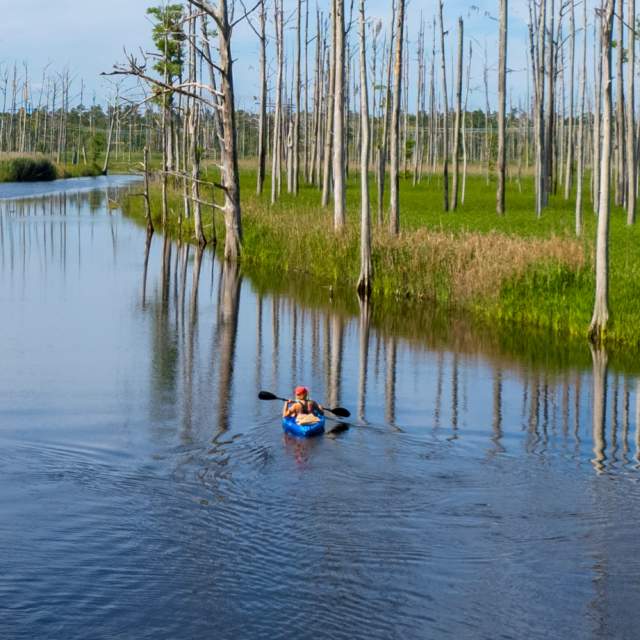
From the beginning, life in Calabash was closely tied to the river. Its many tidal creeks and estuaries were a nursery for oysters, shrimp, fish, and clams while also providing easy access to the nearby Atlantic Ocean where shrimp and fish continued to thrive. It was from these waters that Native Americans and Calabash’s earliest settlers would make their living, and centuries later give rise to the “Seafood Capital of the World.”
Early Days: Oyster Roasts Along the River
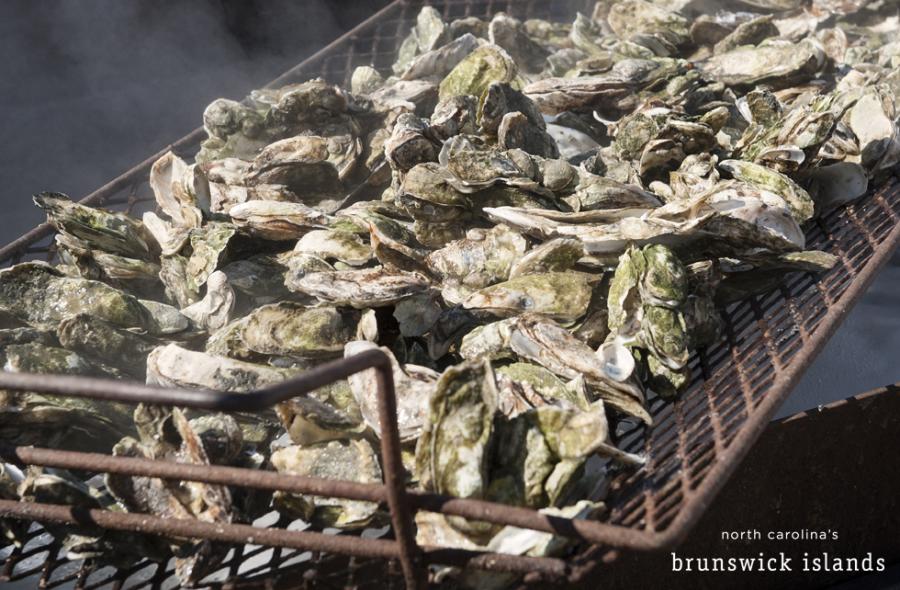
Before the signature Calabash-style seafood was invented, the seafood business in Calabash began with oysters. In the 1920’s and 30’s fishermen and their families would hold oyster roasts along the river under the shade of live oak trees. New techniques for oyster roasts would develop throughout the years, but in its most traditional form, an oyster roast consisted of roasting oysters on a metal grate, supported by brick, over hot coals.
While men would roast the oysters, their wives would prepare whatever other seafood had been brought in for the day, along with sides of pickles, beets, and cornbread. From there, the celebrations would commence.
Calabash’s first oyster roast businesses are attributed to Ople Wilson in 1932 and Clinton J Morse in 1935. Ople would go out early with the tide to “scratch” for oysters before roasting and selling them out of the old general store on the corner of present-day River Road and Old Georgetown Road. In 1935, Opel would close her oyster roast business and move, while her family remained in the area.
Clinton J. Morse would pick up where Opel left off, operating on a tract of land that Opel owned. Clinton’s oyster roast house was the first free-standing business of its kind in Calabash. Clinton’s customers could choose from dry roasted or steamed oysters or bring their own to be prepared. Clinton’s wife Bessie would prepare potatoes and bread cakes for the sides. In 1939, Clinton and his wife Bessie would move out of Calabash, opening a new restaurant not far away in Little River.
Calabash’s First Restaurants
It was during this time, the late 1930s, that a few well-recognized names in Calabash were in the early stages of bringing their iconic seafood restaurants to life. Namely, the High sisters and their families, the Colemans and the Becks. The debate over which sister is responsible for Calabash’s very first restaurant continues to this day.
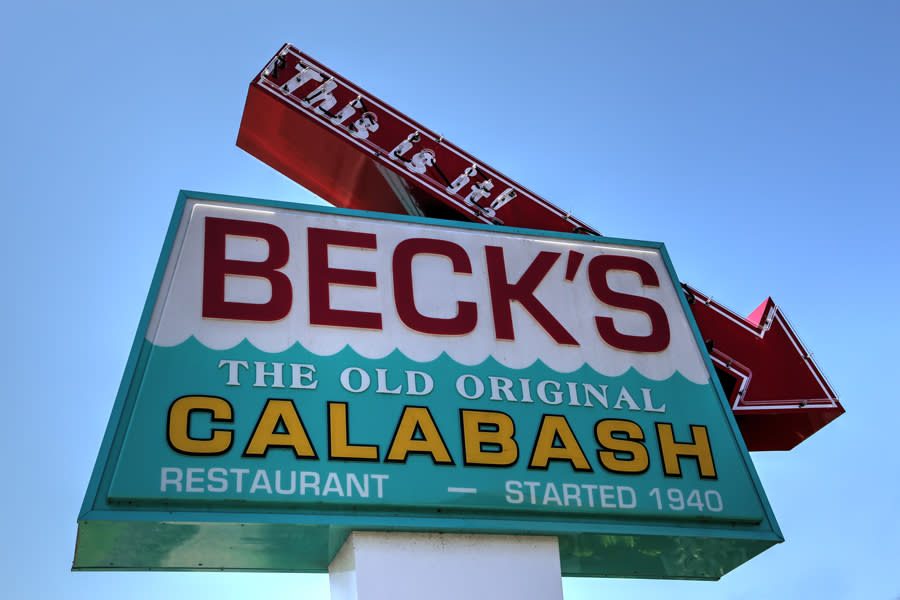
Beck’s Restaurant
As with all the early Calabash-style seafood pioneers, the story of Beck’s Restaurant begins with oyster roasts. Vester Beck, who married Ruth High, began roasting oysters in 1940 under an oak tree near the old general store. In 1942, he would build his first restaurant just across from where Clinton’s old oyster roast business stood, “up the hill.”
Vester would also purchase large ocean shrimp to serve in his restaurant, and it was the business of his wife Ruth to peel and devein them. In fact, it was Ruth Beck who claimed she experimented with the recipe and cooking technique that everyone would come to know as “Calabash-style.”
When Ruth passed, she willed Beck’s to her nephew John High. John would later sell the restaurant before it was bought back by the Hardee family in 2004. For more on the Hardee family, continue reading more about Calabash’s third restaurant Ella’s below.
Coleman’s Original
Lucy High, sister to Ruth, came to Calabash with her family in 1923 and married Curtis Coleman some years later. In 1937, Lucy purchased a one-acre tract of land and property from Oswald Meares, which included a clam house. In combination with Curtis’ fishing charter business, the Colemans would roast oysters and serve seafood plates from the small back porch.
When WWII arrived, the soldiers did too. The Colemans would roast oysters in a 50 gallon-drum cut in half, jar them, and sell them to soldiers and locals alike. The Coleman’s would transition to cooking and serving customers other forms of seafood and as the years went on, Lucy Coleman kept cooking and the crowds kept coming.
It was sometime in the 1940s that American performer and radio host Jimmy Durante stopped in Calabash and after his visit, began signing off his nightly broadcast with the phrase, “Goodnight, Mrs. Calabash wherever you are.” Like all good stories, local legend differs the reason for Durante’s visit and the identity of Mrs. Calabash. However, one of the most widely accepted versions of events is that Lucy Coleman herself was the iconic Mrs. Calabash. Apparently after dining at Coleman’s Original, Durante was so pleased with his meal he asked to speak with the owner herself, remarking to Lucy, “I’m going to make you famous.”
Calabash-Style Seafood is Born and More Restaurants Emerge
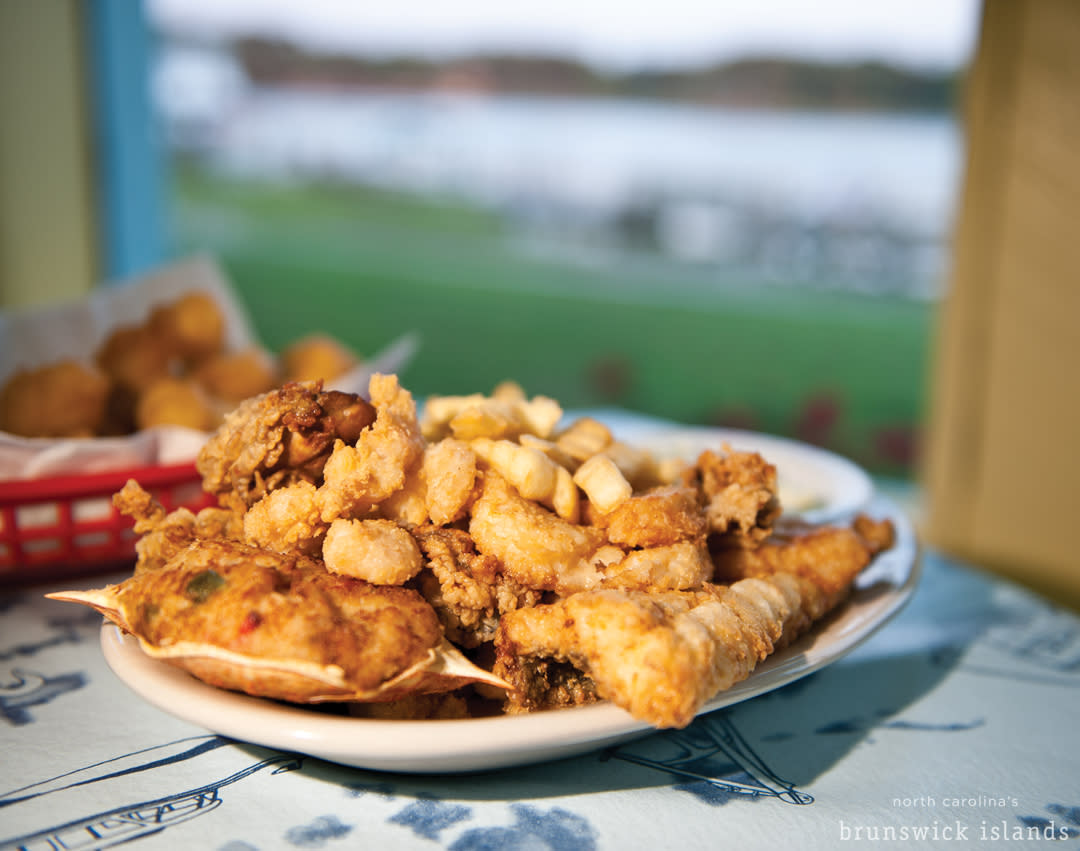
As you’ve read, the first restaurants in Calabash were oyster houses, serving and selling oysters in the winter seasons and all the months ending in “r.” However, it wasn’t long before the long lines of customers began asking for other seafood options and new items began to pop up on the menus of Calabash’s restaurants. The change in customer tastes gave rise to the incredibly popular seafood platter, with its customizable selection of fried softshell crab, fish, scallops, shrimp, and clam strips. With the introduction of the Calabash-style seafood platter, Calabash became a year-round destination.
Ella’s
In 1950, Lawrence High, brother to Lucy Coleman and Ruth Beck, and his wife Ella High built and opened Ella’s. In the restaurant’s earliest days, Lawrence would supply the restaurant with seafood caught from his time on the river fishing, shrimping, and oystering. Ella and her children, including daughter Sheryl Ann, ran the restaurant’s day to day, cooking, cleaning, and welcoming customers. When Ella retired, Sheryl Ann took over operation of Ella’s and eventually passed the restaurant on to her children Kurt Hardee and Shaun Bellamy.
Becoming the “Seafood Capital of the World”
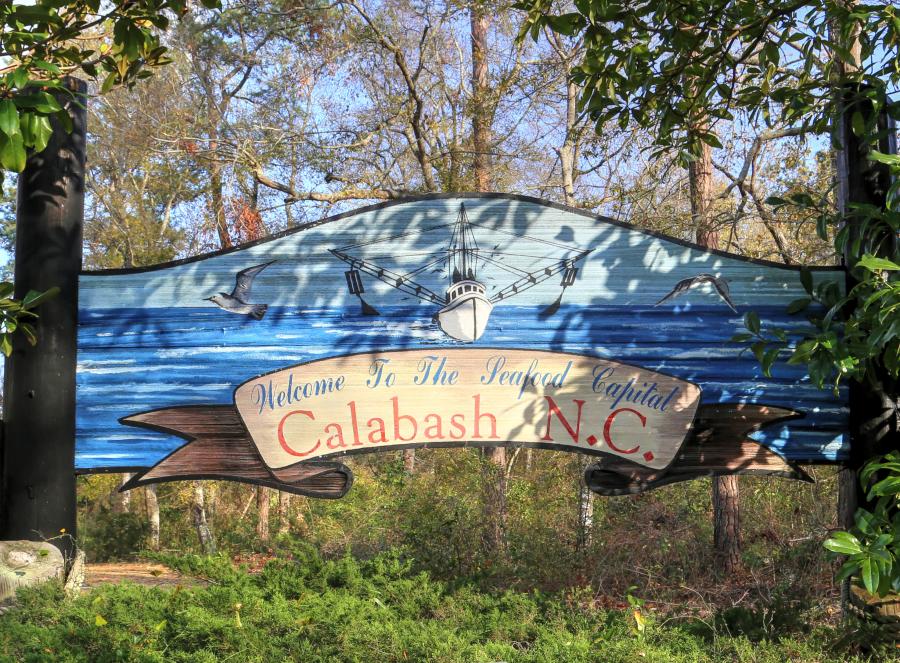
By 1954, Calabash had three official restaurants: Beck’s, Coleman’s Original, and Ella’s. Electricity had arrived, the business of shrimp boats and party boats were at their peak, and tourism was on the rise thanks to the desire for Calabash seafood.
However, in October 1954, Hurricane Hazel made landfall in Brunswick County as a Category 4 storm, transforming the waterfront of Calabash and wiping out Lucy Coleman’s original seafood restaurant. Between the storm and two separate incidents years later, Lucy would rebuild her seafood restaurant three separate times.
Throughout the 1950’s and 60’s the lines just kept growing. Word had spread about the tiny fishing village of Calabash serving heaps of freshly caught seafood, all paired with a side of friendly Southern hospitality. More restaurants began to pop up including Dockside and Simmon’s Restaurant in 1955, Thomas Restaurant in 1957, Calabash Seafood House in 1960, Ivey High’s Restaurant in 1962, and Captain John’s in 1976.
Records show that by 1983 the annual customer count in Calabash reached 1.5 million served, and a New York Times article reports that over 30 restaurants were recorded as operating in Calabash.
Calabash Seafood Hut
Calabash Seafood Hut on River Road was built in 1968 by Virgil “Tinkey” Coleman and his wife Joanne Ward Coleman. Tinkey, the son of Curtis and Lucy Coleman, would catch the shrimp and flounder served at the restaurant while Joanne would cook and serve food. Eventually the family was able to add staff, expand indoor seating, and extend operating hours from 11 a.m. until 9 p.m. to accommodate the long lines that kept forming outside. Once one of the later arrivals on the scene, the Calabash Seafood Hut was soon outselling all the restaurants in Calabash.
After 30 years, Joanne and Tinkey passed the restaurant over to their children Gail and Marilyn. Today, visitors to the Calabash Seafood Hut will find Gail and her husband Allen operating the restaurant, where Marilyn also remains to help.
Captain Nance’s Seafood
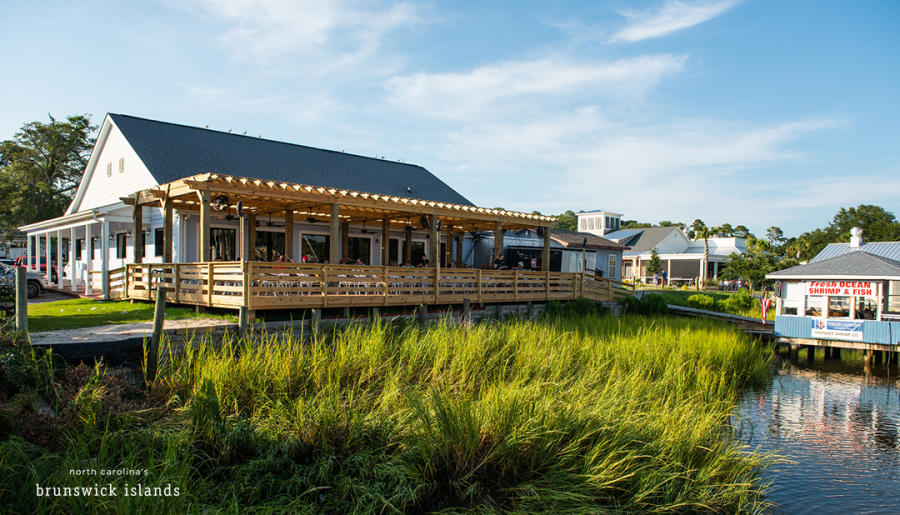
By Calabash standards, Captain Nance’s was a new entrant on the scene when Lennon Nance built the restaurant in 1975. However, like many of the earliest families who settled in the area and grew out of the seafood business, the Nances were no strangers in Calabash. When a fire destroyed the restaurant in 1999 Lennon and his wife built the restaurant back immediately. Today Captain Nance’s sits on the same spot along the Calabash River, serving the same recipe for Calabash-style seafood used over 50 years ago.
Calabash Rebuilds
In 2012, an electrical fire broke out at Beck’s destroying the building’s interior and priceless keepsakes left by Sheryl Ann Hardee. Beck’s re-opened in April 2013 continues to be owned and operated by Sheryl Ann’s children Kurt and Shaun.
In 2015, Coleman’s Original re-opened after an electrical fire, but in 2017 was officially sold. In its place, The Oyster Rock was built.
Fire destroyed Ella’s in 2023 as well. Following the fire, Kurt joined Shaun’s day-to-day at Beck’s. According to the family, there are plans to re-build and re-open Ella’s.
Where to Enjoy Calabash-Style Seafood Today
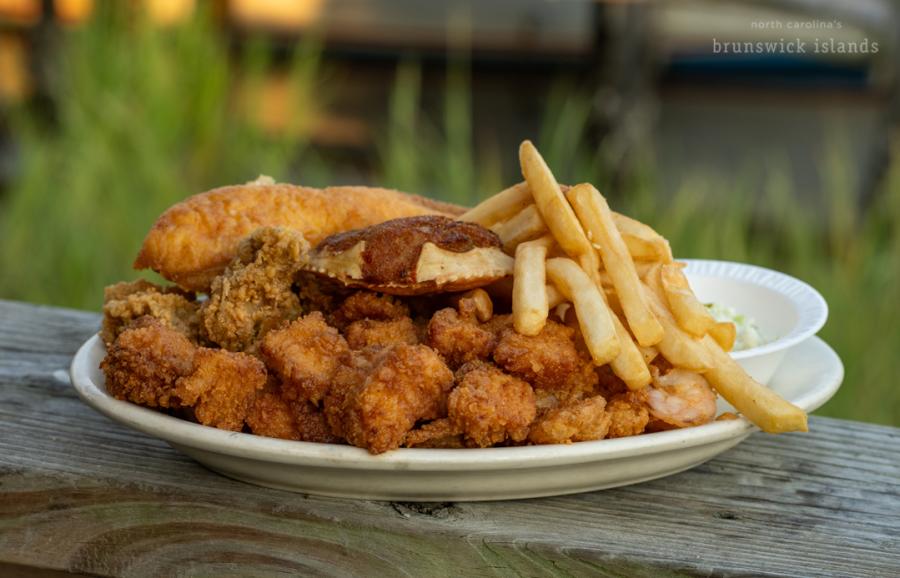
Today only a few of Calabash’s original seafood restaurants remain, but the story and tradition of Calabash-style seafood continues. If you’d like to enjoy a plate piled high with shrimp, flounder, scallops, and clam strips all prepared the Calabash way, add these restaurants to your list:
- Beck’s Restaurant
- Calabash Seafood Hut
- Captain Nance’s Seafood
- Waterfront Seafood Shack
- The Oyster Rock
- The Boundary House
- Bennett’s Grill and Café
You can also find Calabash-style seafood on restaurant menus across the Brunswick Islands.
Plan Your Visit to Calabash
Interested in tasting the history of Calabash-style seafood for yourself? Start planning your trip to Calabash. Our free North Carolina’s Brunswick Islands Vacation Guide is here to help.
The above history and story of Calabash, North Carolina and Calabash-style seafood was made possible in large part to the Town of Calabash’s, “Calabash Seafood Restaurants” booklet which gathered oral histories from families mentioned above. The TDA extends its thanks to the town and families they spoke with for preserving the history of Calabash for all to remember.
Updated July 2026.